Diverse political, social, and religious groups used iconoclastic acts to protest undesired reality and announce an aspired change. Iconoclasm is such an interesting act, I think, in both its contemporary and historical contexts. It creates an image that is more powerful than the one it has destroyed. Iconoclasts often leave traces of the destroyed image as a sign of its powerlessness: which paradoxically implies that the image played a certain role to them and that it was, in fact, a powerful image. Most iconoclasts vandalize images not to erase them but to deviate their meaning. The images are used to send a message. It’s a sense of construction and destruction intimately related.
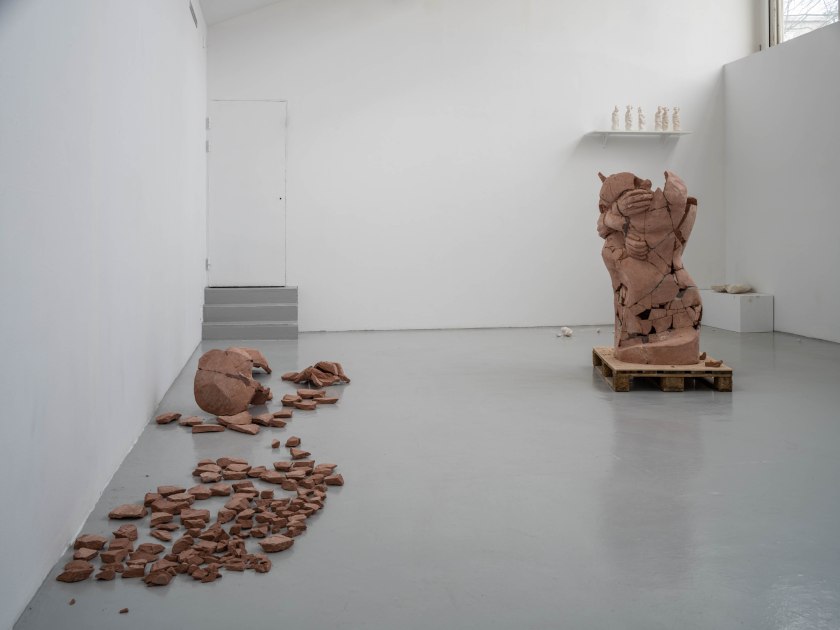
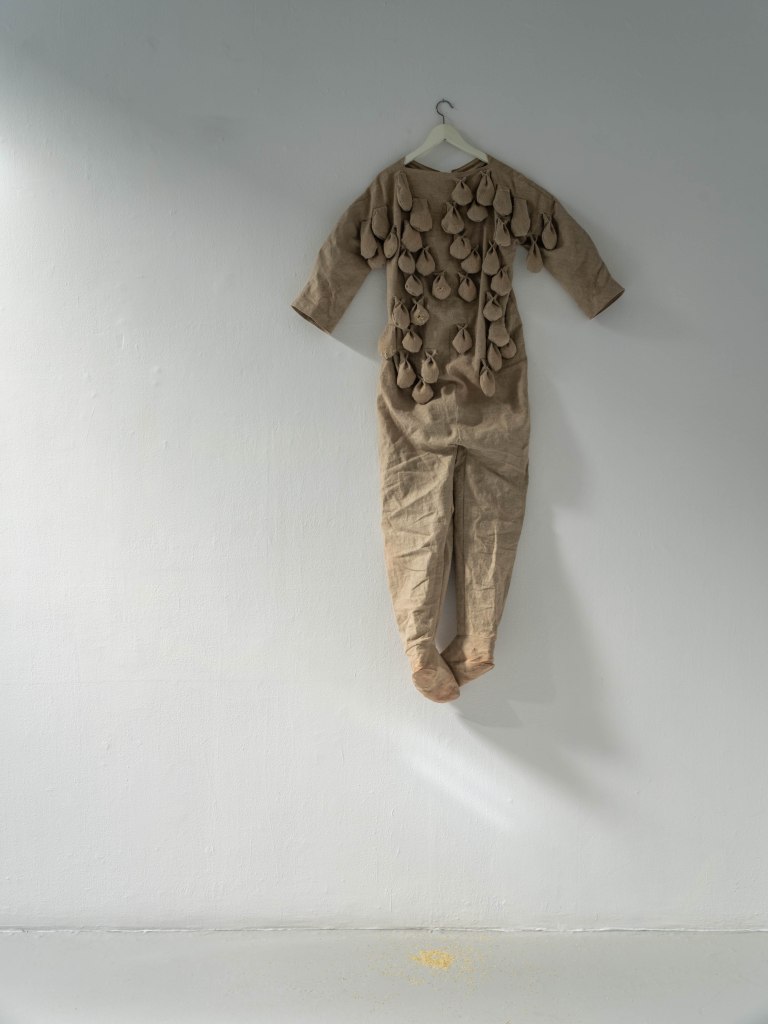
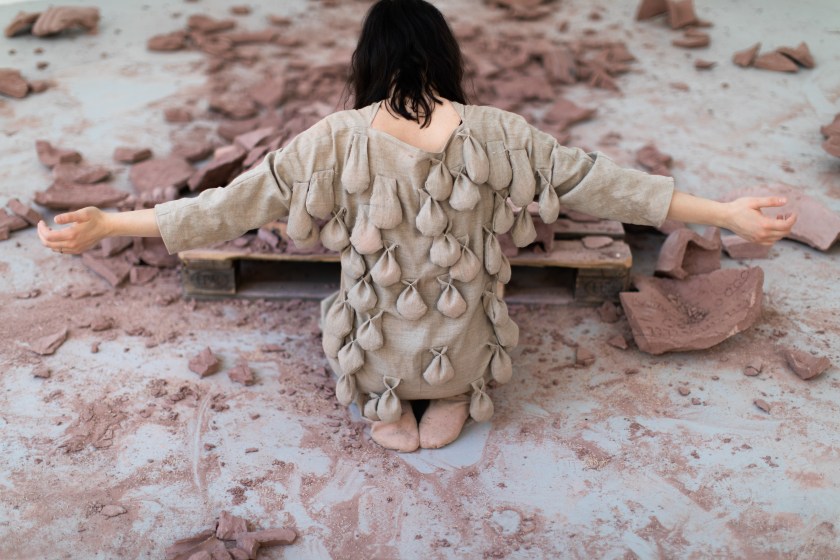
In this long-term project, I used 350 kg of clay to build a monument-like ceramic sculpture with multiple arms and hands. In ritualistic acts, I break and repair the sculpture repeatedly. The Arabic alphabet and numbers are inscribed inside the sculpture, functioning as a system for reassembling. This is a work of unsettlement; the ongoing cycle of breakage and reparation is a symptom of its concept, manifesting through performance, video work, and installation.
Dragging the Inside Out 2024
Botkyrka Konsthall, Stockholm.


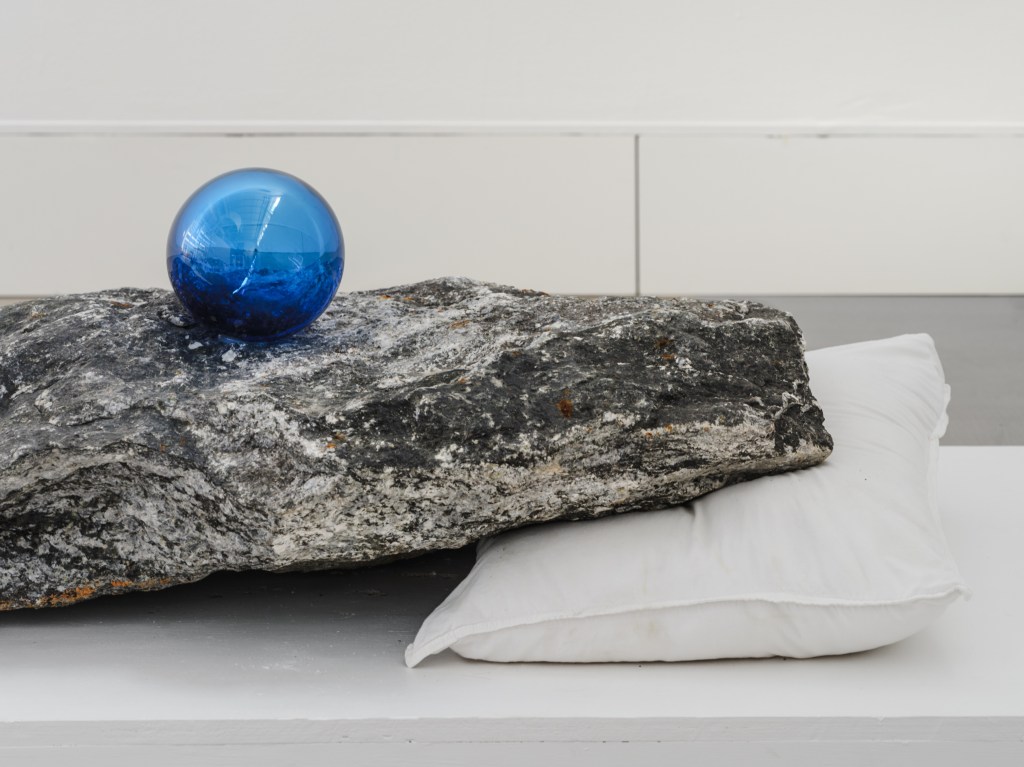
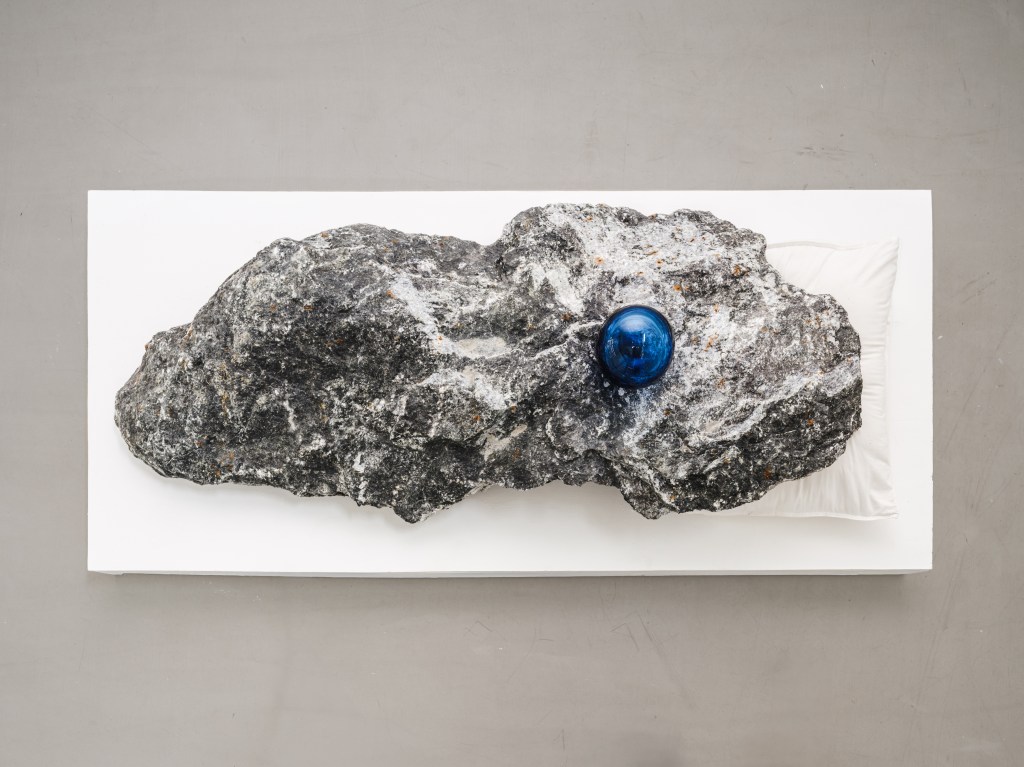
Passage 2022
Konstväxlingar på Odenplan station, Stockholm


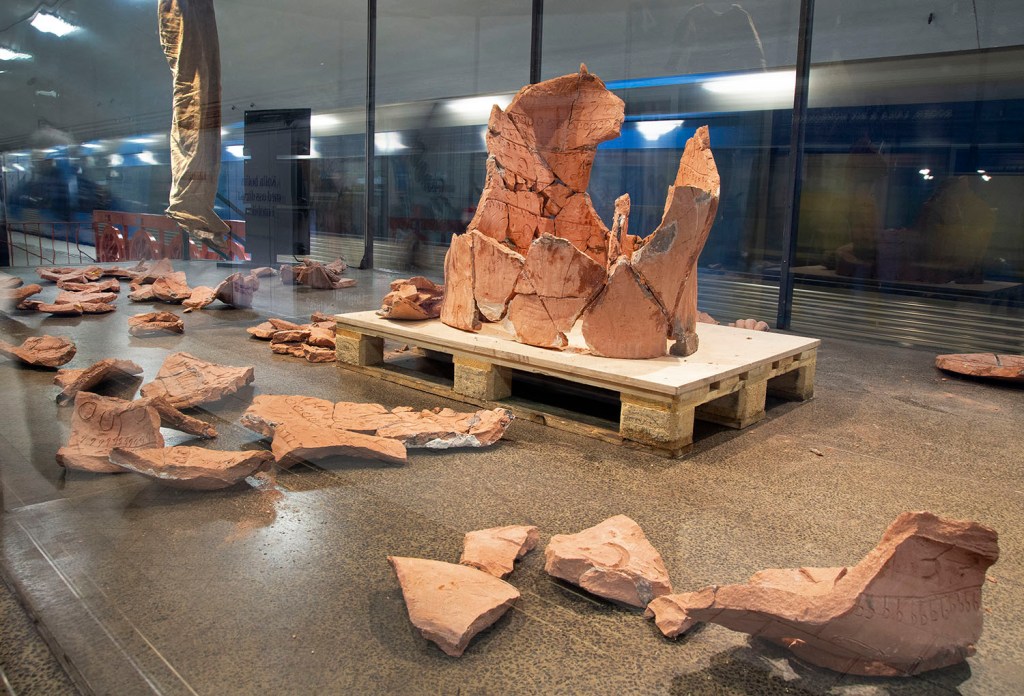
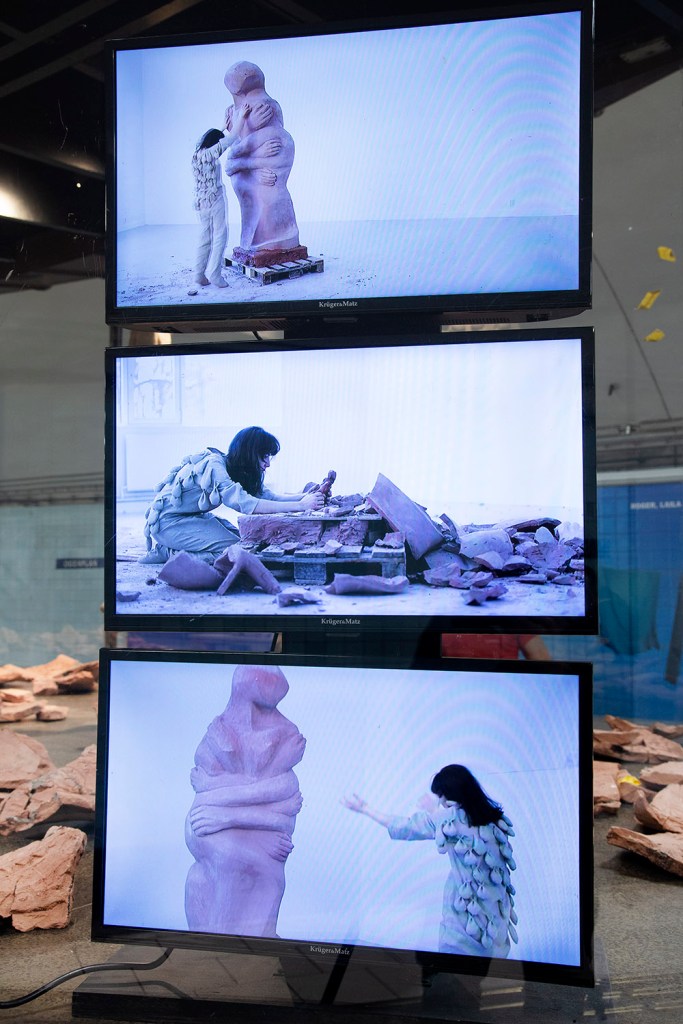
Ritual Washing 2021
Gerlesborgssokolan, Bohuslän
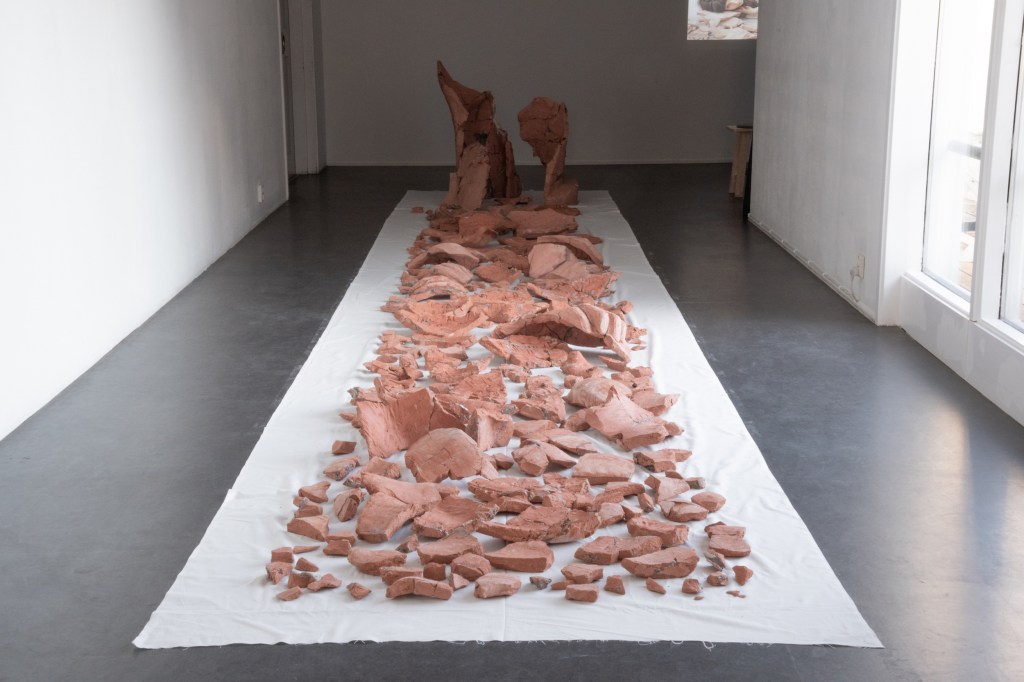

Transmission 2021
Konstakademien

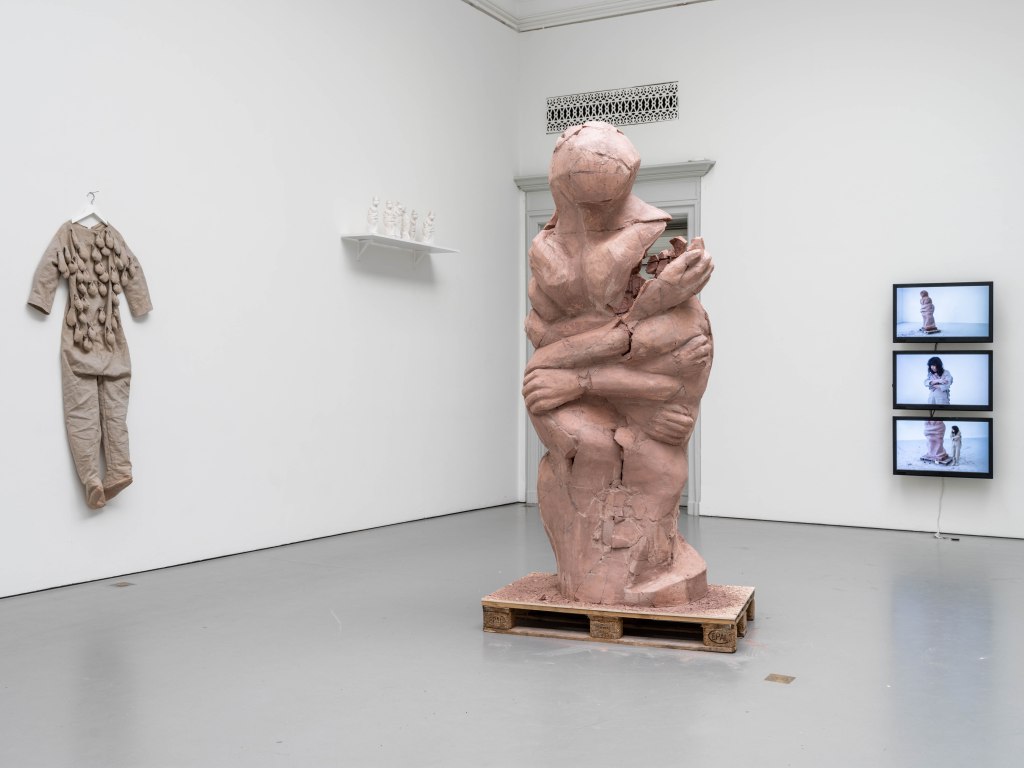
Falling for the Narrative 2021
Galleri Mejan, Stockholm





 Nada Ali